Special thanks to

The educational series will be held at:
MCC-Maple Woods
2601 NE Barry Road
Kansas City, MO 64156
MCC-Maple Woods
Lydia Authier
816.604.3160
lydia.authier@mcckc.edu
Coming Spring 2027
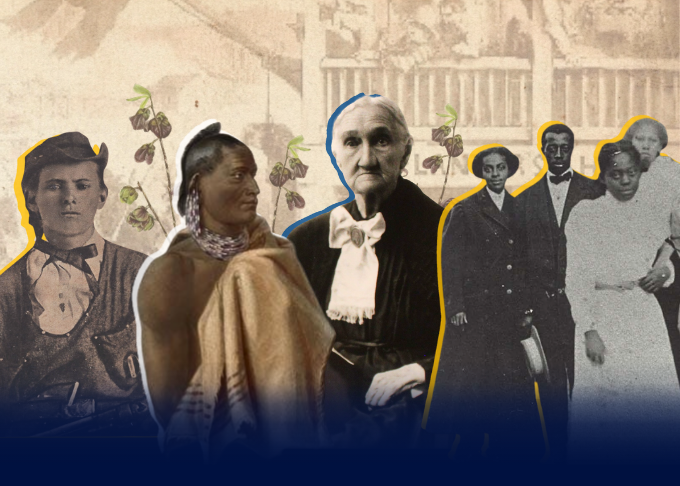
MCC-Maple Woods has partnered with Clay County to present a series of educational experiences that highlight our local history.
Each month has a different focus area that includes common reads, speakers, and historic site visits.
Additionally, faculty have interwoven Clay County history into their curriculum for over 15 courses at MCC-Maple Woods. Participating disciplines include history, anthropology, sociology, English, and Spanish. Ask your Student Success Advisor about enrolling in a Clay County-focused class today!
Speaker sessions are also open to the public. We invite you to come join us as we re-discover the significance of our local roots.
-
Featured Speakers: Dr. Diane Mutti Burke and Dr. Ann M. Raab
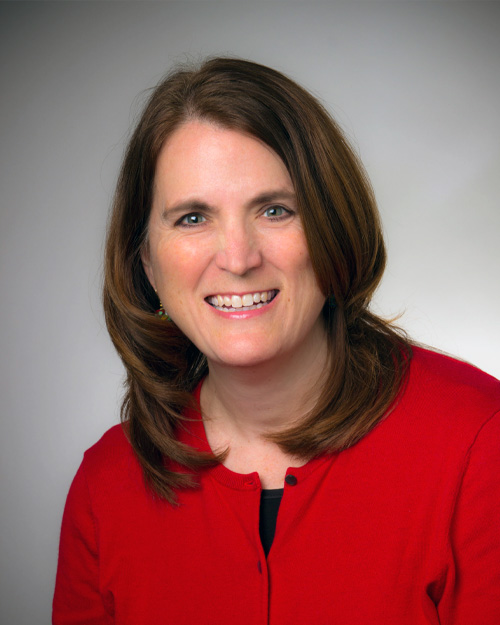 Dr. Diane Mutti Burke is Professor of History Department, and Co-Director of the Center for Digital and
Public Humanities at the University of Missouri-Kansas City. Educated at Dartmouth
College and Emory University, she is a specialist on the Civil War Era South and Midwest.
Dr. Diane Mutti Burke is Professor of History Department, and Co-Director of the Center for Digital and
Public Humanities at the University of Missouri-Kansas City. Educated at Dartmouth
College and Emory University, she is a specialist on the Civil War Era South and Midwest.Her award-winning first book On Slavery’s Border: Missouri’s Small-Slaveholding Households, 1815-1865 (University of Georgia Press, 2010) explores the history of enslavement in Missouri.
In addition, she co-edited two collections of scholarship on the Missouri/Kansas border region, Bleeding Kansas, Bleeding Missouri: The Long Civil War on the Border (2013) and Wide-Open Town: Kansas City during the Pendergast Era (2018), both published by the University Press of Kansas.
Mutti Burke is dedicated to bringing the history of Missouri to public audiences and was awarded the 2015 Missouri Humanities Council Literary Achievement Award in recognition of her contribution to enriching the understanding of Missouri’s history and culture.
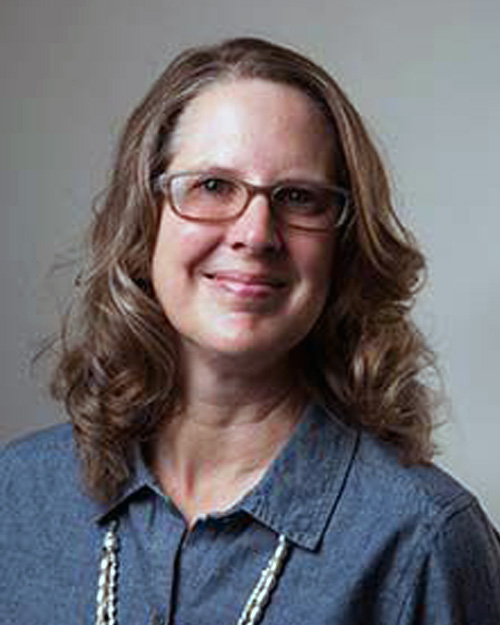 Dr. Ann M. Raab earned her PhD in archaeology from the University of Kansas, and her MA degree in
Anthropology at California State University, Northridge. A speaker with the Missouri
State Speaker’s Bureau from 2018 – 2024, she was also a 2024-2025 Charles E. Scheidt
Faculty Fellow in Atrocity Prevention.
Dr. Ann M. Raab earned her PhD in archaeology from the University of Kansas, and her MA degree in
Anthropology at California State University, Northridge. A speaker with the Missouri
State Speaker’s Bureau from 2018 – 2024, she was also a 2024-2025 Charles E. Scheidt
Faculty Fellow in Atrocity Prevention.She is currently Anthropology Faculty at Metropolitan Community College, teaching at Longview, Maple Woods, and Online since 2017. She researches landscapes of conflict related to the Civil War/Border Wars, in particular The Battle of Island Mound and General Orders No. 11.
Ann’s work has been featured in numerous newspapers and publications, including Archaeology Magazine (April 2010). Most recently she appeared in 2 episodes of Season 2 (2018) of the PBS series, America from the Ground Up.
Common Read
Bleeding Kansas, Bleeding Missouri by Jonathan Earlie & Diane Mutti Burke (2013)
 Long before the first shot of the Civil War was fired at Fort Sumter, violence had
already erupted along the Missouri-Kansas border, a recurring cycle of robbery, arson,
torture, murder, and revenge. This multifaceted study brings together fifteen scholars
to expand our understanding of this vitally important region, the violence that besieged
it, and its overall impact on the Civil War.
Long before the first shot of the Civil War was fired at Fort Sumter, violence had
already erupted along the Missouri-Kansas border, a recurring cycle of robbery, arson,
torture, murder, and revenge. This multifaceted study brings together fifteen scholars
to expand our understanding of this vitally important region, the violence that besieged
it, and its overall impact on the Civil War.Black Reconstruction in America, 1860-1880 by W.E.B. Du Bois (1935)
 This pioneering work was the first full-length study of the role black Americans played
in the crucial period after the Civil War, when the slaves had been freed and the
attempt was made to reconstruct American society. Hailed at the time, Black Reconstruction
in America 1860-1880 has justly been called a classic.
This pioneering work was the first full-length study of the role black Americans played
in the crucial period after the Civil War, when the slaves had been freed and the
attempt was made to reconstruct American society. Hailed at the time, Black Reconstruction
in America 1860-1880 has justly been called a classic.
Historic Site
Liberty Garrison School
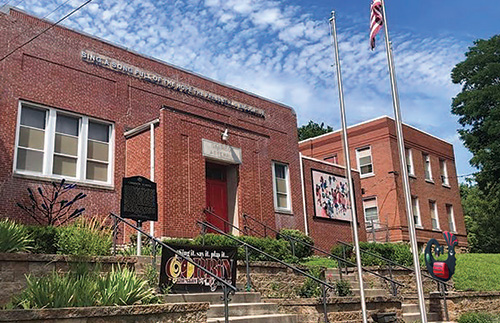 Before 1865, it was illegal to teach enslaved people to read or write, and for more
than a century African Americans in Liberty, like others across the U.S., lived under
“separate but equal” education.
Before 1865, it was illegal to teach enslaved people to read or write, and for more
than a century African Americans in Liberty, like others across the U.S., lived under
“separate but equal” education.After the Civil War, African American students first attended a private school on West Mill in the home of Mrs. Laura Armstrong, a supportive white resident. Mrs. Lucretia Robinson later provided private tutoring at her North Water Street home. A third school operated from 1875–1879 in the Old Rock Church on a hill near the present Garrison site.
In 1877, African American residents established Garrison School. Its first building stood until 1910, when it burned. Although insurance covered only $2,500 of the $5,000 cost, the school board agreed to rebuild and temporarily held classes in the Negro Lodge Hall.
A new school opened in 1911. Principal Professor James A. Gay kept the name Garrison to honor abolitionist William Lloyd Garrison. The school soon earned a reputation as one of Missouri’s best for African American students.
-
Featured Speaker: Pat Wahler
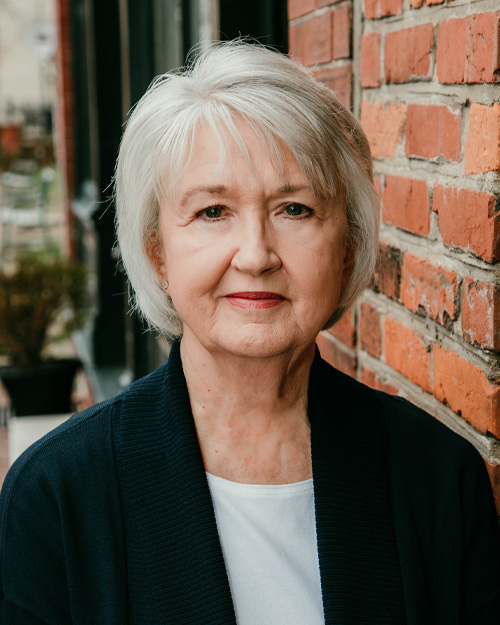 Pat Wahler is winner of Western Fictioneers' Best First Novel of 2018, a Walter Williams
Award winner, and the winner of Author Circle Awards 2019 Novel of Excellence in Historical
Fiction for I am Mrs. Jesse James.
Pat Wahler is winner of Western Fictioneers' Best First Novel of 2018, a Walter Williams
Award winner, and the winner of Author Circle Awards 2019 Novel of Excellence in Historical
Fiction for I am Mrs. Jesse James.Her most recent release is The Rose of Washington Square: A Novel of Rose O’Neill, Creator of the Kewpie Doll, winner of the Missouri Writers Guild’s Show Me Your Best Award.
A frequent contributor to the Chicken Soup for the Soul anthologies, Pat is an avid reader with a special passion for historical fiction, women’s fiction, and stories with heart. She makes her home in Missouri with her husband and a variety of rescue critters.
Common Read
I Am Mrs. Jesse James by Pat Wahler (2018)
 The long, bloody Civil War is finally at an end when Zee Mimms, the dutiful daughter
of a Missouri preacher, is tasked with nursing her cousin, Jesse James, back to health
after he suffers a near-fatal wound. During Jesse's long convalescence, the couple
falls in love, but Jesse's resentment against the Federals runs deep. He has scores
to settle. For him, the war will never be over.
The long, bloody Civil War is finally at an end when Zee Mimms, the dutiful daughter
of a Missouri preacher, is tasked with nursing her cousin, Jesse James, back to health
after he suffers a near-fatal wound. During Jesse's long convalescence, the couple
falls in love, but Jesse's resentment against the Federals runs deep. He has scores
to settle. For him, the war will never be over. Zee is torn between deferring to her parents’ wishes and marrying for security or marrying for love and accepting the hard realities of life with an outlaw — living under an assumed name and forever on the run. For her, the choice she makes means the war is only beginning.
Historic Site
Watkins Mill
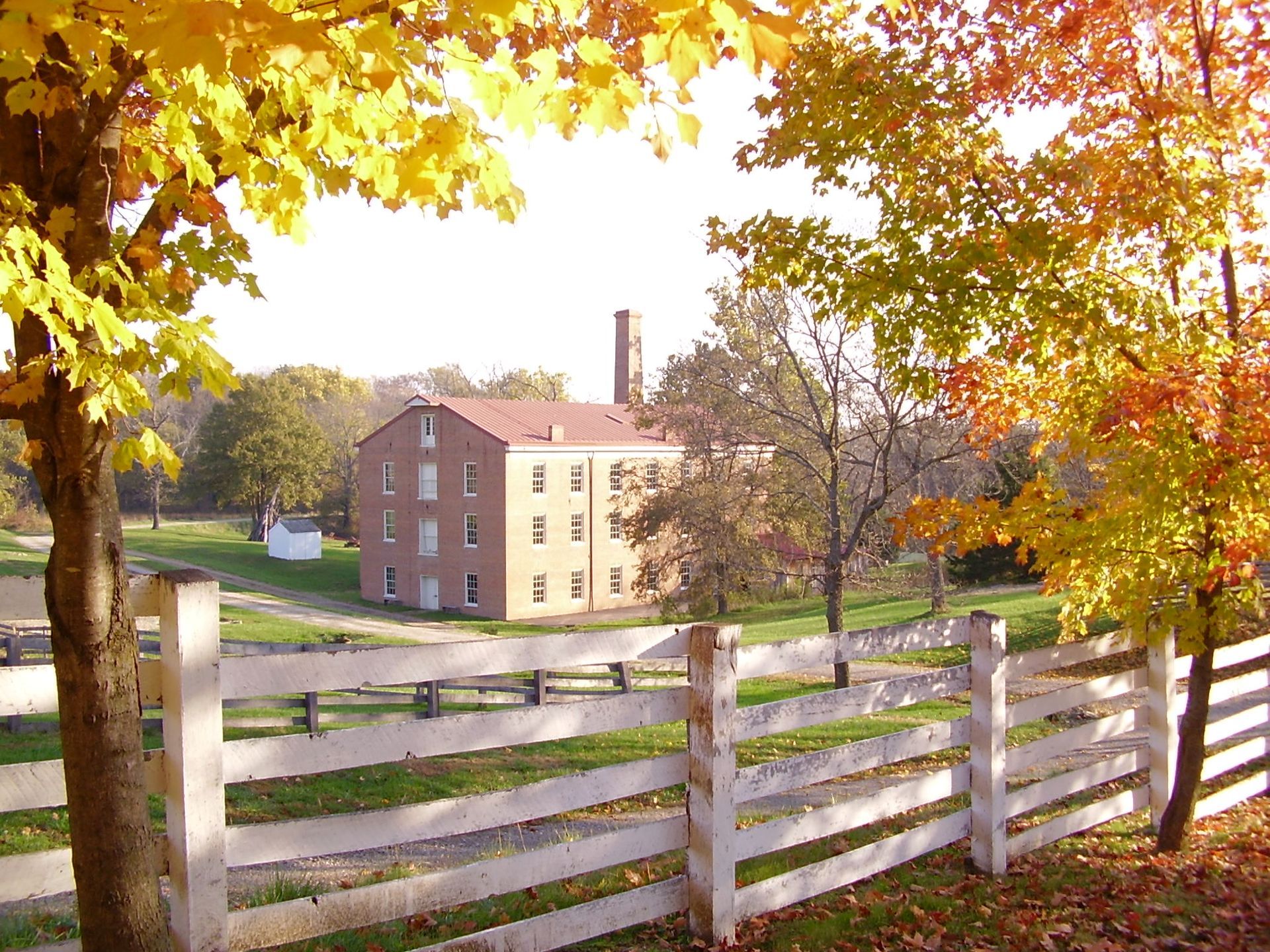 Step back in time and experience the legacy of self-sufficiency, innovation, and resilience
at Watkins Woolen Mill and Homestead, the only 19th-century textile mill in the U.S. with its original machinery still
intact.
Step back in time and experience the legacy of self-sufficiency, innovation, and resilience
at Watkins Woolen Mill and Homestead, the only 19th-century textile mill in the U.S. with its original machinery still
intact.Mill workers worked long days in high temperatures, with humidity ranging from 75-80%. Getting their dresses or hair caught in the exposed equipment was a constant hazard for the women and girls employed at the mill. Despite the extreme physical challenges, exposure to toxic chemicals, anthrax, and other dangers, conditions at Watkins Mill were far more inviting and relatively safer compared to the huge mills back east. There was no shortage of families moving to this remote frontier location, hoping for a better life.
-
Featured Speaker: Mark Lee Gardner
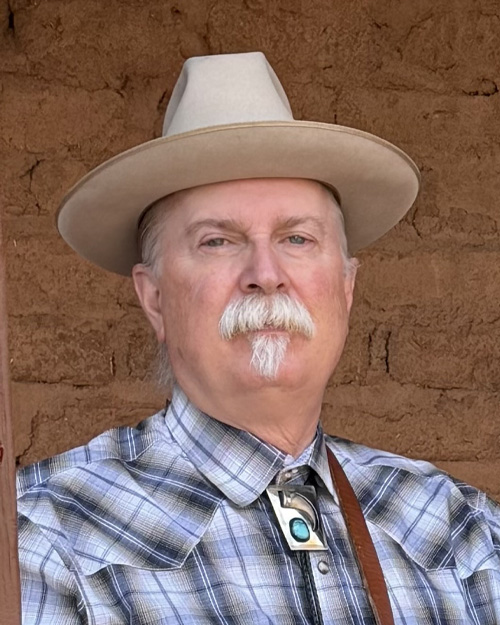 Mark Lee Gardner is a recipient of the Frank Waters Award for Literary Excellence. His bestselling
nonfiction books, many of them award winners, include Brothers of the Gun, The Earth is All That Lasts, Rough Riders, Shot All to Hell, and To Hell on a Fast Horse.
Mark Lee Gardner is a recipient of the Frank Waters Award for Literary Excellence. His bestselling
nonfiction books, many of them award winners, include Brothers of the Gun, The Earth is All That Lasts, Rough Riders, Shot All to Hell, and To Hell on a Fast Horse.An authority on the American West, Mark has appeared on numerous television programs and other media, including the hit Netflix docuseries Wyatt Earp and the Cowboy War. His YouTube video for WIRED’s Tech Support, where Mark answers questions from the Internet about the Wild West, has received more than six million views.
A native of Missouri, he holds an MA in American Studies from the University of Wyoming and lives with his wife, Katie, at the foot of Pikes Peak.
Common Read
Shot All to Hell by Mark Lee Gardner (2013)
 Shot All to Hell by Mark Lee Gardner recounts the thrilling life of Jesse James, Frank
James, the Younger brothers, and the most famous bank robbery of all time.
Shot All to Hell by Mark Lee Gardner recounts the thrilling life of Jesse James, Frank
James, the Younger brothers, and the most famous bank robbery of all time.Follow the Wild West’s most celebrated gang of outlaws as they step inside Northfield’s First National Bank and back out on the streets to square off with heroic citizens who risked their lives to defend justice in Minnesota.
With compelling details that chronicle the two-week chase that followed — the near misses, the fateful mistakes, and the bloody final shootout on the Watonwan River, Shot All to Hell is a galloping true tale of frontier justice from the author of To Hell on a Fast Horse: The Untold Story of Billy the Kid and Pat Garrett, Mark Lee Gardner.
Historic Site
Jesse James Birthplace & Museum
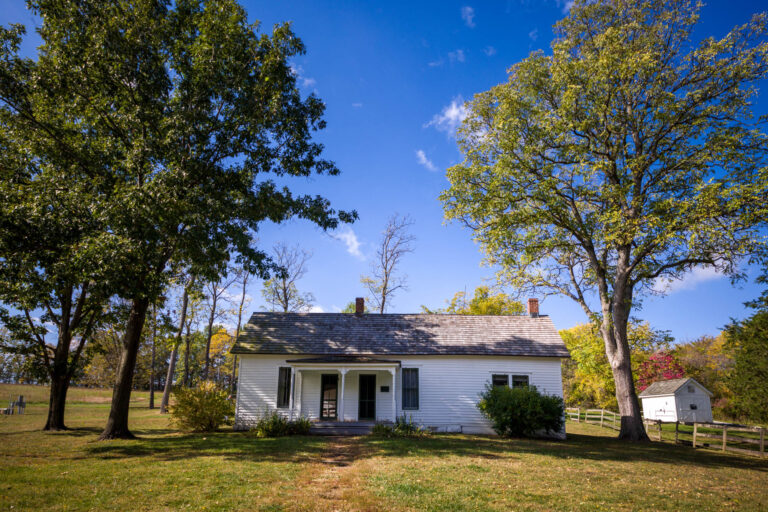 Located in Kearney, Missouri, the Jesse James Birthplace & Museum invites guests to see where Frank and Jesse James were raised. Their parents, Robert
and Zerelda James, purchased the property in 1845. Reverend James was one of the original
trustees of William Jewell College.
Located in Kearney, Missouri, the Jesse James Birthplace & Museum invites guests to see where Frank and Jesse James were raised. Their parents, Robert
and Zerelda James, purchased the property in 1845. Reverend James was one of the original
trustees of William Jewell College. Jesse James, son of a Baptist minister, was born at the family home in 1847. Barely 16, he followed his older brother Frank into the Civil War. While Frank rode with Quantrill’s guerrillas, Jesse rode with Bloody Bill Anderson. After the war ended, Jesse returned home and joined other former Confederate guerrillas in a life of outlawry.
This historic site shows their origin from Clay County farm boys to notorious outlaws. The museum features the world’s largest display of James’ family artifacts and Jesse’s original gravesite. The tour includes a 20-minute video, three galleries of artifacts, and a short walk to the farmhouse. Guests take a self-guided tour around the authentically preserved grounds and see into the farmhouse where Jesse James was born in 1847.
-
Featured Speaker: Devon Mihesuah
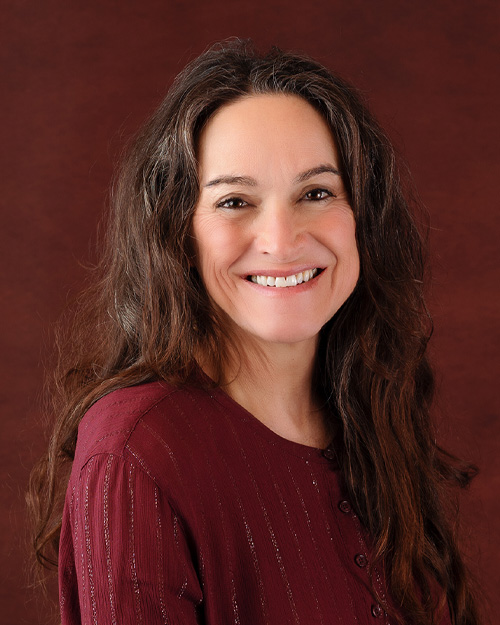 Devon Mihesuah, an enrolled citizen of the Choctaw Nation of Oklahoma, is the Cora Lee Beers Price
Professor in the Hall Center for the Humanities at the University of Kansas and is
the former editor of the American Indian Quarterly and the University Nebraska Press book series, “Contemporary Indigenous Issues.”
Devon Mihesuah, an enrolled citizen of the Choctaw Nation of Oklahoma, is the Cora Lee Beers Price
Professor in the Hall Center for the Humanities at the University of Kansas and is
the former editor of the American Indian Quarterly and the University Nebraska Press book series, “Contemporary Indigenous Issues.”A historian by training, she is the author of numerous award-winning non-fiction and fiction books on Indigenous history and current issues, including Recovering Our Ancestors’ Gardens: Indigenous Recipes and Guide to Diet and Fitness, that was recently named the Best Indigenous Book in the World by Gourmand International.
She oversees the American Indian Health and Diet Project and the Facebook page, Indigenous Eating.
Common Read
Braiding Sweetgrass by Robin Wall Kimmerer (2015)
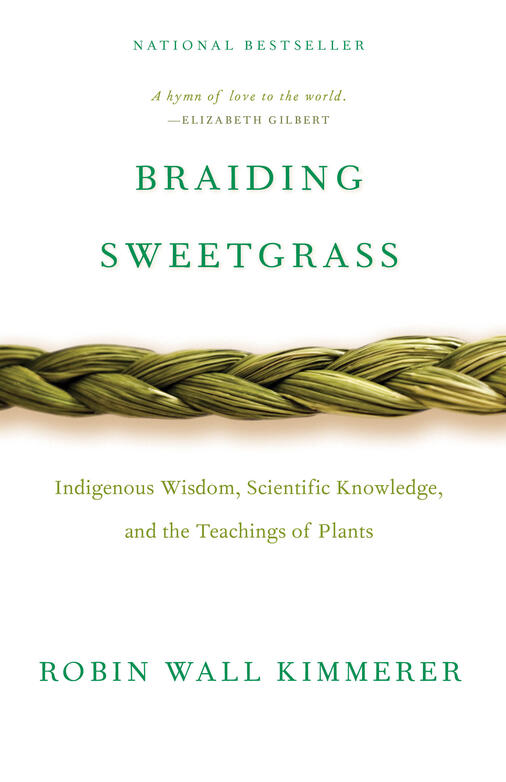 Drawing on her life as an Indigenous scientist, and as a woman, Kimmerer shows how
other living beings such as asters and goldenrod, strawberries and squash, salamanders,
algae, and sweetgrass that offers us gifts and lessons, even if we've forgotten how
to hear their voices.
Drawing on her life as an Indigenous scientist, and as a woman, Kimmerer shows how
other living beings such as asters and goldenrod, strawberries and squash, salamanders,
algae, and sweetgrass that offers us gifts and lessons, even if we've forgotten how
to hear their voices.In reflections that range from the creation of Turtle Island to the forces that threaten its flourishing today, she circles toward a central argument: that the awakening of ecological consciousness requires the acknowledgment and celebration of our reciprocal relationship with the rest of the living world.
For only when we can hear the languages of other beings will we be capable of understanding the generosity of the earth, and learn to give our own gifts in return.
Historic Site
Maple Woods Natural Area
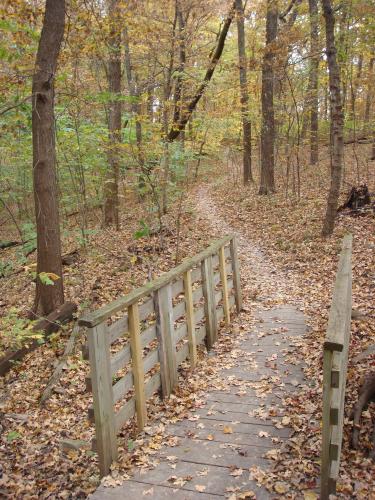 Maple Woods Natural Area is a mature maple/oak forest and is recognized by the National Park Service as a
significant Natural Area.
Maple Woods Natural Area is a mature maple/oak forest and is recognized by the National Park Service as a
significant Natural Area.Missouri's natural areas represent some of the best, and last, examples of our state's original landscape. They are places where you can still see the rare plants, animals, and geological features that pre-settlement native Americans knew well or that explorers such as Lewis and Clark observed and recorded.
The Maple Woods Natural Area is a popular destination to view resident forest birds and spring migrant songbirds, and it is locally known for fall color and spring wildflower displays. It is also home to the pawpaw tree, a feature of our May focus area.
During their 1806 return up the Missouri River, the Lewis and Clark expedition survived on wild pawpaws when their other provisions ran low. The Shawnee and Cherokee also harvested pawpaws for food. They used the tree's fibrous bark to weave fishing nets, ropes, and strings.